Mon Jan 26 2026
Why SAP EWM Is the Future of Warehouse Management
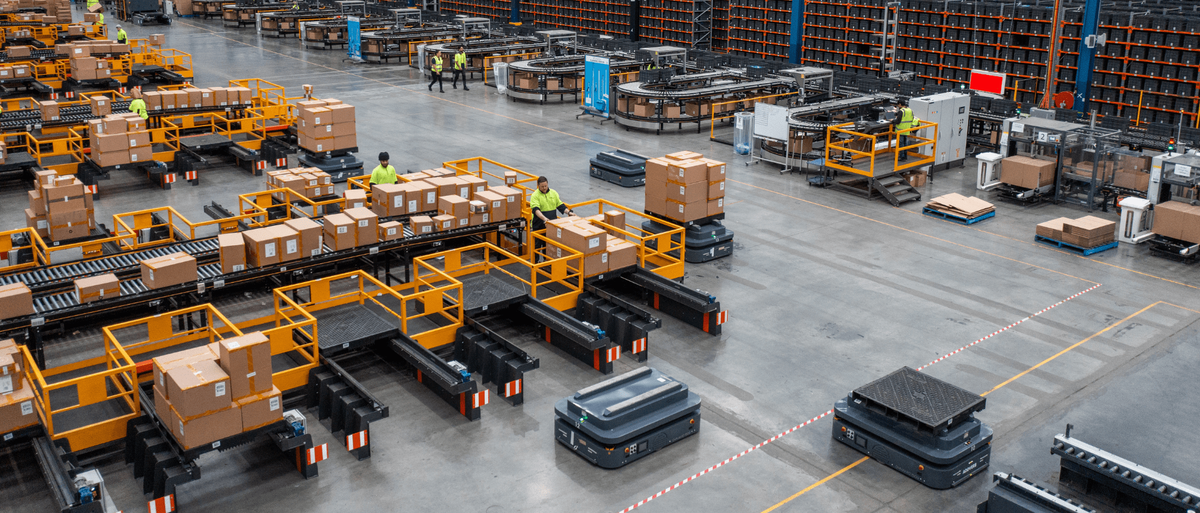
Warehouse complexity has increased significantly with higher order volumes, shorter delivery times, and growing automation requirements. SAP EWM is designed to address these challenges.
Limitations of SAP WM
SAP Warehouse Management (WM) was suitable for simpler warehouse operations. However, it lacks the flexibility and scalability required for modern supply chains, especially on SAP S/4HANA.
SAP WM is also approaching end of maintenance, making migration unavoidable for many organizations.
Key Advantages of SAP EWM
SAP EWM offers advanced features that are not available in WM, such as:
- Embedded and decentralized deployment options
- Advanced RF framework
- Labor management
- Slotting and rearrangement
- Yard and dock management
- Integration with automation systems
Migration Considerations
Migrating from WM to EWM requires careful planning. Key focus areas include:
- Process redesign
- Master data preparation
- Custom RF transactions
- User training
With the right approach, organizations can achieve a smooth transition and long-term benefits.
Business Value
- Real-time warehouse visibility
- Improved productivity
- Reduced operational errors
- Scalable architecture for future growth
SAP EWM is not just a replacement — it is a transformation of warehouse operations.
Arkania Team
Author